

Why Apartment Visit And Check Is Important?
An apartment visit allows you to verify whether the property matches what was promised during the buying process. A thorough apartment inspection checklist can help you examine construction finishes, fixtures, electrical points, plumbing, ventilation, safety provisions, and shared facilities.
At the same time, an apartment purchase checklist should extend beyond the apartment itself to cover parking, access, surroundings, and other factors that affect your ownership experience. Do not rely only on what looks good. Open doors and windows, check water flow, look for signs of dampness, and examine corners and less visible areas. If you find an issue, document it rather than relying on a verbal assurance that it will be fixed.
What Should You Check During an Apartment Site Visit?
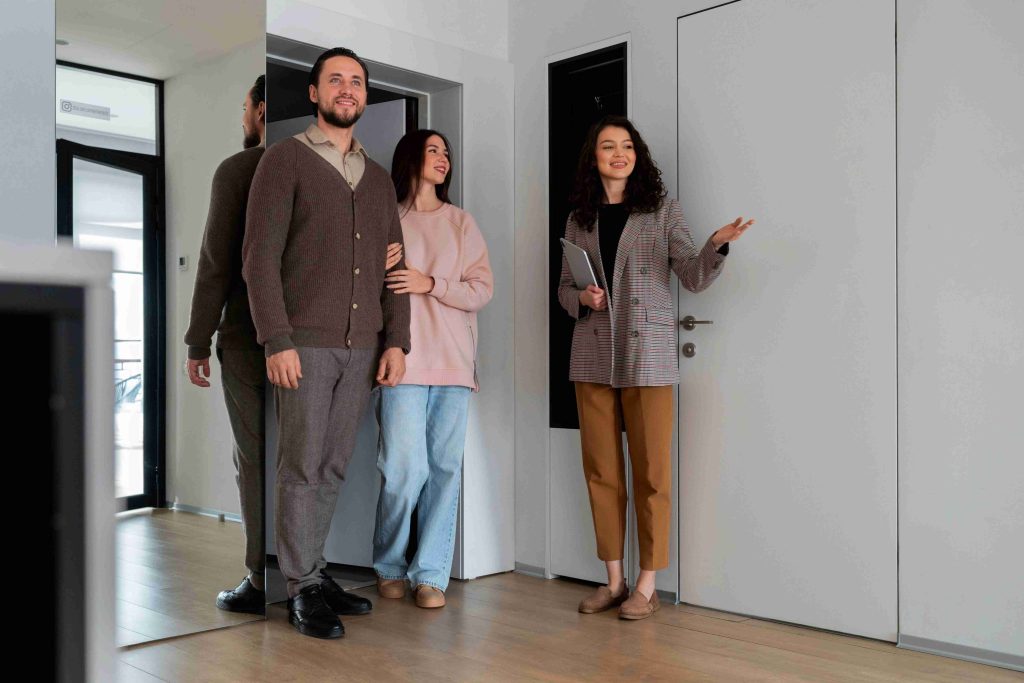
There are several things to inspect before buying a flat, particularly if the apartment is ready for possession. Use the following apartment checklist to work through the property methodically.
1. Location and Surrounding Area
Start outside the apartment. Check the approach road, traffic conditions, nearby construction, drainage, accessibility, and general surroundings. Consider how easily you can reach workplaces, schools, hospitals, shops, and public transport. Visit at different times if possible. A locality that feels quiet during the afternoon may have considerably more traffic during peak hours.
2. Building Exterior and Common Areas
Look at the building façade, entrance, corridors, staircases, and other common areas. Check whether the finishes appear properly completed and maintained. Pay attention to visible cracks, water stains, damaged surfaces, poor drainage, or unfinished work. Also observe whether corridors and common areas are adequately lit and ventilated.
3. Flooring and Tiles
Inspect floors for cracked, chipped, loose, or uneven tiles. Walk across different areas and listen for hollow sounds that could indicate improper installation. Check tile alignment, grout lines, skirting, and transitions between rooms. These may seem like minor details, but poor finishing can become frustrating once you occupy the apartment.
4. Walls and Plaster
Examine walls under good lighting. Look for visible cracks, uneven plaster, patches, peeling paint, or inconsistent finishing. Check corners carefully, particularly around windows, doors, bathrooms, and exterior-facing walls. These areas can reveal finishing or moisture-related problems that may not be obvious at first glance.
5. Ceilings and Moisture
Inspect ceilings for damp patches, discolouration, peeling paint, or water marks. Pay particular attention to bathrooms, balconies, utility areas, and ceilings below other wet areas. If you notice any moisture-related signs, ask the builder or site representative about their cause and whether remedial work has already been carried out.
6. Doors and Door Frames
Open and close every door during your visit. Check whether doors move smoothly, close properly, and sit correctly within their frames. Inspect hinges, locks, handles, frames, and the finishing around the edges. Main doors should also be checked for proper locking and overall sturdiness.
7. Windows and Sliding Systems
Operate each window and sliding panel to make sure they open, close, and lock smoothly. Check the frames, glass, handles, tracks, and seals. Look for gaps or damaged fittings that could affect ventilation, noise insulation, or protection from rain.
8. Natural Light and Ventilation
Spend a few minutes in each room without relying entirely on artificial lighting. Observe how much natural light enters and whether air can circulate effectively. Bedrooms, kitchens, bathrooms, and living spaces should have suitable ventilation. Also consider the direction of windows and the views or structures immediately outside them.
9. Kitchen Flooring and Countertop
Inspect the kitchen floor, countertop, backsplash, cabinets, sink, and fittings provided with the apartment. Check the countertop for visible cracks and examine joints and edges for proper finishing. Open cabinet shutters and drawers where provided. Make sure they operate smoothly and check whether the kitchen layout leaves enough practical working space.
10. Plumbing and Drainage
Check taps, sinks, and visible plumbing connections for leakage. Run water through different outlets and observe whether it drains properly. Look underneath sinks and around pipe connections for moisture or water accumulation. Also check whether drainage points are properly fitted and free from visible blockages.
11. Electrical Points and Appliances
Check the location and condition of electrical points against the promised specifications. If appliances or fittings are included, verify their installation and operation where possible. Look for loose fittings, damaged plates, exposed wiring, or poorly finished electrical points. Ask for clarification if the actual placement differs significantly from the agreed layout.
12. Water Pressure and Fixtures
Turn on taps in different parts of the apartment to assess water flow. If possible, check more than one outlet at the same time to understand whether pressure remains consistent. Inspect faucets, shower fittings, washbasins, and other fixtures for leaks, damage, or poor installation.
13. Bathroom Floor Slope and Drainage
Water should flow towards the drain rather than collecting around the bathroom floor. Pouring a small amount of water can help you observe the drainage slope, where appropriate. Also inspect the corners, tile joints, sanitary fittings, exhaust provisions, and areas around the shower for visible finishing or moisture concerns.
14. Switches and Sockets
Test accessible switches and sockets to ensure they are properly fitted and functioning. Check their placement against your furniture and appliance requirements. Look for loose plates, uneven installation, or damaged switches. Ask about dedicated points for high-load appliances such as air conditioners, ovens, and washing machines.
15. Inspect the Balcony and Outdoor Spaces
Check the balcony floor, railing, doors, drainage outlets, and surrounding walls. Make sure the railing appears secure and there are no visible cracks or water accumulation. Also consider privacy, sunlight, ventilation, noise, and the view from the balcony, as these can significantly affect how useful the space is.
16. Lifts and Emergency Access
Check the number and condition of lifts and consider whether they are adequate for the building’s occupancy. Observe lift access from your floor and the location of staircases. Emergency exits and stairways should be clearly accessible rather than obstructed by stored materials or other objects.
17. Parking
Verify your allotted parking space and make sure its dimensions are suitable for your vehicle. Check the access route, turning space, lighting, ventilation, and ease of entry and exit. If visitors’ parking is available, understand how it is managed. Parking arrangements should be clear before you complete the purchase.
18. Fire and Safety Features
Check for visible fire-safety provisions such as fire extinguishers, alarms, emergency exits, signage, and access to staircases. Ask the builder or management team about the building’s fire-safety systems and emergency procedures. Safety provisions should not be treated as an afterthought, particularly in a multi-storey residential building.
How to Document Problems You Find During the Visit?
Finding an issue is only the first step. Record it clearly so there is no confusion later.